-
Step 1: Verify product codes and specs before you type a PO
-
Step 2: Confirm lead times and stock availability
-
Step 3: Verify pricing against your contract
-
Step 4: Check for hidden fees and compliance docs
-
Step 5: Confirm shipping and delivery instructions
-
Step 6: Create a post‑delivery check within 48 hours
-
Common mistakes I still see
I'm an office administrator for a mid-sized hospital system—roughly 250 beds across two campuses. I manage all medical device and lab equipment purchasing, about $1.2 million annually across 30‑plus vendors. When I took over purchasing in 2020, I made a lot of mistakes. After one expensive mix‑up with a Zimmer Biomet dual mobility implant order, I built a checklist that's saved us an estimated $18,000 in potential rework. Here's the 6‑step process I follow now.
Step 1: Verify product codes and specs before you type a PO
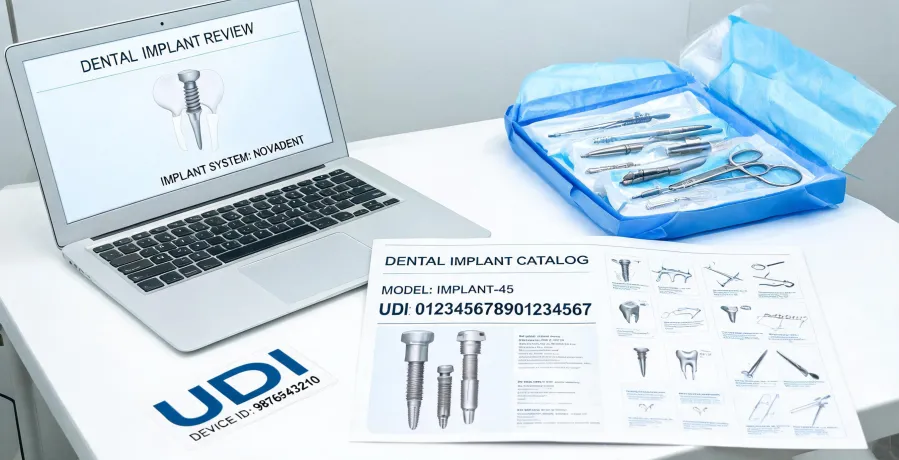
This sounds obvious, but I've seen people skip it because they're in a hurry. The Zimmer Biomet catalog alone has dozens of dual mobility acetabular shells—different sizes, coatings, liner types. One digit off and the OR calls you an hour before surgery. I compare the surgeon's preference card against the catalog PDF (or the online portal) before entering the order. Same for dental implants: they have multiple platform diameters and connection types. And for lab gear like electronic pipettes—a single‑channel vs. multichannel model can change the price by $400.
I'm not a clinician, so I can't speak to which device works best for a patient. What I can tell you from a procurement perspective is: get the exact part number from the surgeon or lab manager, then double‑check it against the manufacturer's spec sheet.
Step 2: Confirm lead times and stock availability
I used to assume items were in stock. In 2022, I ordered five ICU monitors for a new cardiac unit—only to find the vendor had a 14‑week lead time because of chip shortages. The unit opened three months late. Now I always call or check the supplier's portal for real‑time availability. For Zimmer Biomet implants, many are custom‑packaged per patient; standard lead is 2–4 weeks, but some sizes are backordered. I keep a running spreadsheet of lead times for our top 20 SKUs.
Oh, and I should add: never trust the lead time quoted on a generic website. For electronic pipettes, for example, the online store might say “in stock” but it's actually drop‑shipped from another warehouse. Call to confirm.
Step 3: Verify pricing against your contract
It's tempting to just accept the listed price. But contract pricing for GPO members can be 15–40% lower than list. For example, the list price on a Zimmer Biomet Persona knee might be $4,200, but our contract rate is $3,100. Same for disposable tips for electronic pipettes—the per‑box price drops if you buy in bulk through our lab supply agreement. I always check our negotiated price sheet before approving the order.
One time I didn't, and we overpaid $2,400 on a batch of dental implant abutments. Finance flagged it during audit. Now I have a rule: if the PO total is over $1,000, I verify the price against our contract first.
Step 4: Check for hidden fees and compliance docs
Here's where most people get tripped up. Many medical device suppliers charge restocking fees (15–25%) if you return an implant kit after opening the sterile packaging. Zimmer Biomet's policy is clear: opened kits cannot be restocked. That's fine, but what about unopened items? They often have a 30‑day return window and a 10% restocking fee. I added a line to my checklist: "Ask for restocking policy and return window before ordering."
Also, for lab equipment like ICU monitors, you need compliance documentation—FDA registration, calibration certificates, warranty info. I request these before the order ships. A vendor who can't provide proper invoicing cost us $1,800 in rejected expenses last year (handwritten receipt only). Now I verify their invoicing capability first.
Step 5: Confirm shipping and delivery instructions
This is the step I used to skip. For sterile surgical implants, the carrier must maintain a certain temperature range. For electronic pipettes, the calibration may be affected if they freeze. And for dental supplies, we need them delivered to the clinic, not the main loading dock. I now include a shipping instruction field in every PO: "Deliver to [specific location], Monday–Friday, 8 am–4 pm. Do not leave without a signature."
The 'always get three quotes' advice ignores the transaction cost of evaluating vendors. I've found that having reliable shipping instructions is worth more than saving $50 on a rush fee.
Step 6: Create a post‑delivery check within 48 hours
Most problems surface when the item is opened. I trained our receiving team to inspect ortho implant boxes for seal integrity, check lab equipment for physical damage, and verify serial numbers against the packing slip. If something's off, I want to know within 48 hours—because after that, many suppliers won't accept a claim.
For Zimmer Biomet dual mobility implants, we also check the lot number against the patient's surgical plan. For immunoassay reagents, we verify the expiration date. This 5‑minute check has prevented three costly incidents in the past year alone—including one shipment where the reagent had only 30 days of shelf life left.
Common mistakes I still see
- Relying on memory – I've ordered the wrong size because I thought I remembered the part number. Now I always pull it from the surgeon's written order.
- Ignoring the fine print – One vendor's “free shipping” excluded oversized items like ICU monitor carts.
- Assuming all electronic pipettes are the same – The tip compatibility varies by brand; ordering the wrong tips wastes money.
- Not checking for alternative suppliers – For generic lab supplies, there's often a lower‑cost option that's just as good. Zimmer Biomet dental news sometimes features new partners offering competitive pricing.
This was accurate as of Q1 2025. The medical device market changes fast, so verify current pricing and policies before budgeting. And if you don't handle procurement for these items personally, consult your purchasing department—they'll appreciate you asking first.

Leave a Reply